
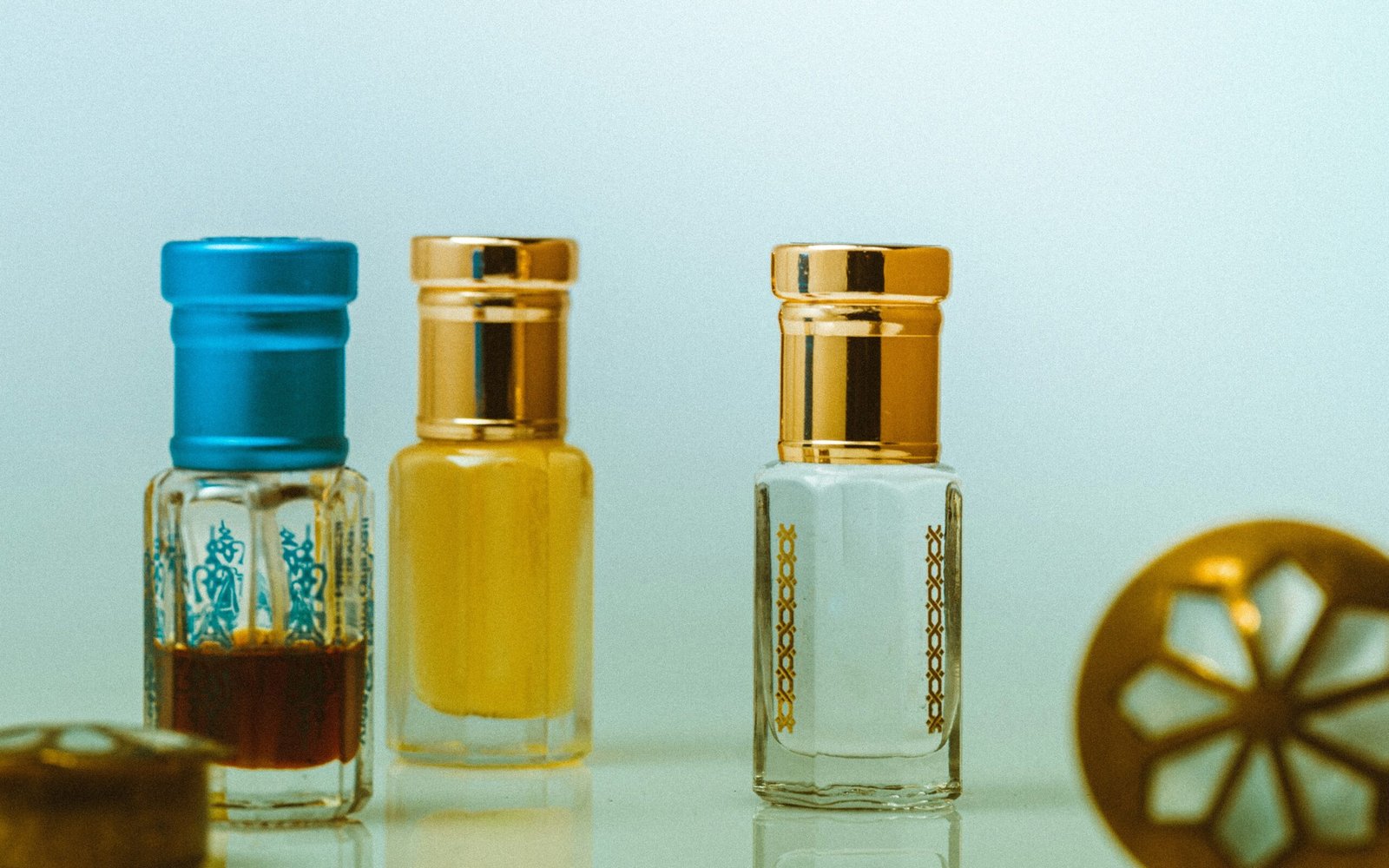
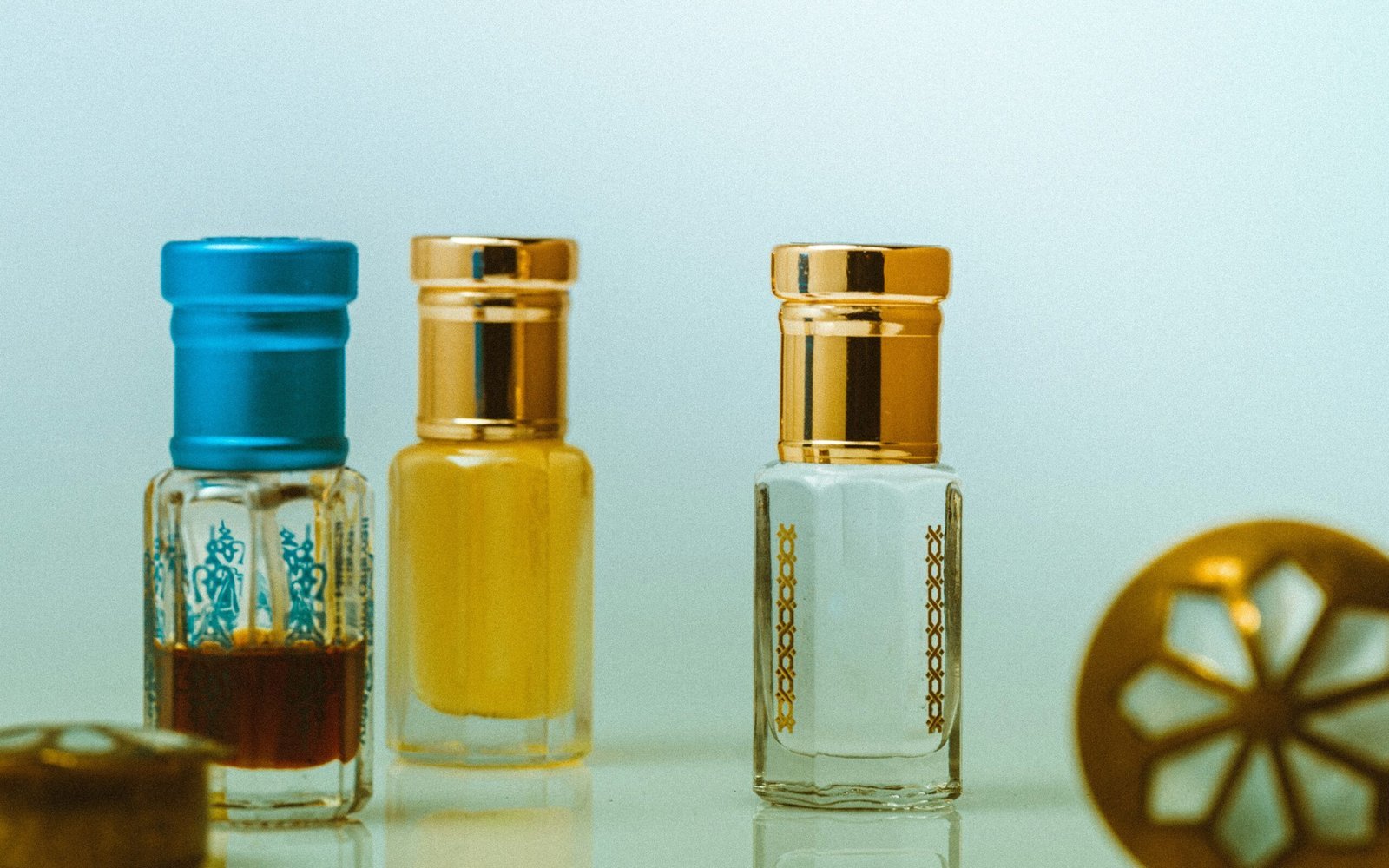
Introduction to Perfume Oils
Perfume oils, unlike their alcohol-based counterparts, are concentrated liquid fragrances that are derived from natural and synthetic aromatic compounds. Historically, the use of perfume oils dates back to ancient civilizations such as Egypt, Mesopotamia, and India, where they were integral to personal grooming, religious rituals, and medicinal practices. These oils were often extracted from flowers, herbs, spices, and resins, reflecting a deep connection to nature and tradition.
One primary distinction between perfume oils and traditional alcohol-based perfumes lies in their composition. Perfume oils are typically devoid of alcohol, making them less likely to cause dryness or irritation on the skin. Instead, they are composed of a high concentration of essential oils, carrier oils, and other fragrant compounds. This concentrated nature means that even a small amount of perfume oil can provide a lasting scent, often more enduring than alcohol-based perfumes.
The ingredients used in perfume oils often include a blend of essential oils such as sandalwood, jasmine, lavender, and rose, combined with carrier oils like jojoba oil, almond oil, or fractionated coconut oil. These components not only lend a rich and deep fragrance but also offer potential skin benefits, thanks to the nourishing properties of the carrier oils.
In recent years, perfume oils have been gaining popularity in the modern fragrance market. This resurgence can be attributed to several factors, including a growing preference for natural and sustainable products, the desire for unique and customizable scents, and an increased awareness of skin-friendly formulations. As consumers become more discerning about the ingredients in their personal care products, perfume oils present an appealing alternative that aligns with these evolving preferences.
Overall, the rise in popularity of perfume oils underscores a broader trend towards mindful consumption and a deeper appreciation for the artistry and craftsmanship involved in fragrance creation.
Enhanced Longevity and Sillage
The concentrated nature of perfume oils significantly contributes to their enhanced longevity when compared to traditional alcohol-based perfumes. Unlike their alcohol-based counterparts, perfume oils are formulated with higher concentrations of fragrance compounds. This intensity allows the scent to adhere more effectively to the skin, ensuring it lasts much longer throughout the day. For individuals seeking a fragrance that endures, perfume oils provide a lasting presence that can maintain its allure from morning until night.
Another concept closely related to the longevity of perfume oils is sillage, which refers to the trail of scent left behind by the wearer. Sillage is an essential attribute of any fragrance, as it determines how the scent projects and envelops the surrounding space. Perfume oils excel in offering a more intimate and subtle sillage compared to alcohol-based perfumes. This means that while the scent is long-lasting and noticeable, it is not overpowering. Instead, it creates a delicate aura around the wearer, making it ideal for daily use in both professional and social settings.
For example, a gentle application of perfume oil in the morning can ensure that the fragrance remains perceptible through a busy workday, a post-workout session, and even an evening dinner. The enduring nature of perfume oils negates the need for frequent reapplication, providing both convenience and confidence to the user. Additionally, because perfume oils interact with the natural heat of the skin, they can evolve throughout the day, revealing different layers of the fragrance and keeping the experience fresh and engaging.
Overall, the enhanced longevity and nuanced sillage offered by perfume oils make them a superior choice for those who appreciate a lasting, intimate scent experience. These qualities not only enhance daily use but also ensure that the fragrance remains a subtle yet consistent part of the wearer’s personal identity.
Skin-Friendly Properties
Perfume oils are often lauded for their skin-friendly properties, making them a preferred choice for individuals with sensitive skin. Unlike traditional alcohol-based perfumes, perfume oils rarely contain synthetic ingredients and alcohol, which are known to cause skin irritation and dryness. This fundamental difference makes perfume oils a gentler alternative, suitable for even the most delicate skin types.
Dermatologists frequently recommend perfume oils for those struggling with skin sensitivities. Dr. Jane Smith, a renowned dermatologist, emphasizes that “the absence of alcohol in perfume oils minimizes the risk of dehydration and irritation, which are common side effects of alcohol-based products.” Her viewpoint is supported by a study published in the Journal of Dermatological Science, which found that individuals using alcohol-free fragrance products experienced significantly fewer instances of skin irritation.
Moreover, perfume oils tend to have a simpler ingredient list compared to their alcohol-based counterparts. This simplicity reduces the likelihood of allergic reactions, as there are fewer potential irritants. The natural essential oils used in perfume oils often have additional skin benefits, such as moisturizing properties and anti-inflammatory effects. For instance, essential oils like sandalwood and lavender are known for their soothing and calming effects on the skin.
Another advantage of perfume oils is their lasting power. Due to the absence of alcohol, which tends to evaporate quickly, the fragrance of perfume oils lingers longer on the skin. This not only provides a prolonged sensory experience but also reduces the need for frequent reapplication, thereby limiting skin exposure to potential allergens.
In summary, the skin-friendly properties of perfume oils make them an excellent choice for individuals seeking a gentle, long-lasting fragrance option. With fewer synthetic ingredients and the absence of alcohol, perfume oils offer a less irritating and more nourishing alternative to traditional perfumes, backed by both dermatological insights and scientific research.
Cost-Effectiveness
While the initial price of perfume oils may seem higher compared to traditional perfumes, their cost-effectiveness becomes evident over time. Perfume oils are highly concentrated, meaning a minimal amount is required per application to achieve the desired scent. This concentration leads to a longer-lasting product, allowing users to enjoy their fragrance for an extended period without the need for frequent reapplication.
Traditional perfumes, on the other hand, contain a higher percentage of alcohol and other fillers. These components tend to evaporate quickly, necessitating multiple applications throughout the day. As a result, the bottle depletes faster, and the user ends up purchasing new bottles more frequently. In contrast, a small bottle of perfume oil can often last several months, even with daily use.
When comparing the cost per wear, perfume oils present a more economical option. The higher density of essential oils ensures that each drop delivers a robust and enduring fragrance. This efficiency translates to fewer purchases over time, ultimately reducing the overall expenditure on fragrances. Moreover, because perfume oils stay closer to the skin and have a slower evaporation rate, they provide a more intimate and personal scent experience.
Additionally, the longevity of perfume oils means that users can benefit from a consistent scent throughout the day. This consistency reduces the need for carrying a bottle for touch-ups, further contributing to their cost-effectiveness. By investing in a high-quality perfume oil, consumers can enjoy a superior fragrance experience while simultaneously managing their budget more effectively.
Versatility in Use
Perfume oils are not only limited to being applied directly to the skin. Their versatility allows for a multitude of creative uses that extend the aromatic experience throughout various aspects of daily life. One of the popular methods is using perfume oils to scent hair. Applying a few drops to a hairbrush or directly to the ends of your hair can impart a lasting fragrance that complements your overall scent profile.
Another delightful way to utilize perfume oils is by adding them to your bath water. A few drops can transform an ordinary bath into a luxurious, spa-like experience, enveloping you in a soothing aroma that helps to relax both body and mind. This method is especially beneficial for those who enjoy indulging in aromatherapy as part of their self-care routine.
Perfume oils also find their place in home fragrance practices. Adding a few drops to a diffuser can fill a room with your favorite scent, creating a pleasant and inviting atmosphere. This is particularly useful during meditation or when you want to set a specific mood within your living space. Additionally, perfume oils can be combined with carrier oils to create personalized blends that reflect your unique taste and preferences.
For those who enjoy crafting their own beauty and wellness products, perfume oils offer a wonderful opportunity. They can be incorporated into homemade lotions, body oils, or even candles. This not only ensures that you know exactly what ingredients are going into your products but also allows you to tailor the scent to your liking. A practical tip for creating a balanced blend is to start with a base note, add a middle note, and finish with a top note to achieve depth and complexity in your custom fragrance.
Incorporating perfume oils into different facets of daily life enhances the overall sensory experience and allows for a more personalized approach to fragrance. Whether used for personal scenting, home ambiance, or DIY beauty products, the versatility of perfume oils makes them a valuable addition to any routine.
Environmental and Ethical Benefits
In an era where sustainability and ethical considerations are increasingly influencing consumer choices, perfume oils stand out for their environmental and ethical benefits. Many perfume oils are produced using sustainable practices and ethically sourced ingredients, making them a conscientious choice for environmentally-aware consumers. Unlike traditional perfumes, which often rely on synthetic compounds and extensive manufacturing processes, perfume oils are frequently derived from natural botanical sources. This not only minimizes the use of harmful chemicals but also supports the preservation of natural habitats.
One of the significant environmental advantages of perfume oils lies in their concentrated form. Due to their high potency, a smaller amount is required to achieve the desired fragrance intensity. This concentration reduces the overall volume of product needed, leading to a lower carbon footprint in both production and shipping. The reduced need for packaging materials and the minimized transportation emissions contribute to a more sustainable product lifecycle.
Several brands have made commendable strides in prioritizing environmental responsibility and ethical sourcing. For instance, companies like By Rosie Jane and Lurk focus on using organic and sustainably harvested ingredients, ensuring that their sourcing practices do not harm local ecosystems or exploit communities. By opting for perfume oils from such brands, consumers can feel confident that their choices are supporting ethical labor practices and environmental stewardship.
Moreover, perfume oils often come in minimalistic, recyclable packaging, further reducing their environmental impact. This contrasts with traditional perfumes, which frequently use elaborate and non-recyclable packaging that contributes to waste. By choosing perfume oils, consumers not only enjoy a luxurious and long-lasting fragrance but also play a part in fostering a more sustainable and ethically conscious beauty industry.
Personalization and Customization
One of the most compelling advantages of using perfume oil daily is the unparalleled opportunity for personalization and customization. Unlike traditional alcohol-based perfumes that often come with a fixed scent profile, perfume oils offer a more flexible approach to fragrance. This flexibility is primarily due to the availability of single-note oils, which are pure, unblended essences representing a single scent element. These single-note oils can be combined in myriad ways to create a unique, personalized fragrance that reflects individual tastes and preferences.
For those new to the world of perfume oils, the process of blending can be both an art and a science. It involves experimenting with different combinations to find the perfect balance. A good starting point is to identify base notes, middle notes, and top notes. Base notes, such as sandalwood or vanilla, provide a lasting foundation. Middle notes, like jasmine or lavender, add depth and complexity, while top notes, such as citrus or mint, offer an initial burst of freshness. By layering these different notes, one can create a multi-dimensional scent that evolves throughout the day.
Layering scents is another popular technique to achieve a signature fragrance. This involves applying different perfume oils in a specific sequence to build a complex scent profile. For example, one might start with a base note oil, followed by a middle note, and finally a top note. The result is a unique, personalized scent that is distinctly your own. This method not only allows for creativity but also ensures that the fragrance is long-lasting and evolves beautifully over time.
Moreover, the personalization offered by perfume oils extends beyond just the scent. Many perfume oils come in customizable packaging options, allowing individuals to choose bottles and labels that resonate with their personal style. This adds an extra layer of individuality, making the experience of using perfume oil a truly bespoke one.
Conclusion: Incorporating Perfume Oils into Your Daily Routine
The numerous benefits of using perfume oil daily are evident, ranging from its long-lasting fragrance to its skin-friendly properties. Perfume oils provide a more concentrated and enduring scent, which often translates to fewer applications throughout the day. Additionally, their natural composition makes them a gentler alternative for individuals with sensitive skin, reducing the risk of irritation.
To begin incorporating perfume oils into your daily life, start by selecting the right scent that resonates with your personality and preferences. Whether you are drawn to floral, woody, or citrus notes, there is a vast array of fragrances available to suit every taste. Visiting a specialty store or seeking recommendations from friends can help you discover new and unique perfume oils.
When it comes to application, a little goes a long way. Apply the perfume oil to your pulse points, such as the wrists, neck, and behind the ears, where the warmth of your body will help to diffuse and intensify the fragrance. These areas are ideal for ensuring the scent lingers throughout the day. For an added touch, you can also apply a small amount to your hair or clothing, but be mindful of fabric type to avoid any potential staining.
Proper storage of perfume oils is crucial to maintaining their integrity and extending their shelf life. Store your bottles in a cool, dark place away from direct sunlight and temperature fluctuations. This will help preserve the fragrance and potency of the oil. Additionally, ensure that the bottles are tightly sealed to prevent evaporation and contamination.
Exploring the world of perfume oils can be an exciting journey. With countless options available, take the time to experiment and find your personal favorites. By incorporating perfume oils into your daily routine, you can enjoy the myriad benefits they offer, enhancing not only your scent but also your overall well-being.